
Electrical Safety in Council and Housing Association Homes
No Win No Fee Housing Disrepair Claims
CALL FREE: 0800 654 6975
Faulty Electrics in Council and Housing Association Homes
Councils and housing associations must ensure that electrical installations within a rented property are kept in safe working order. This includes wiring, plug sockets, fuse boxes, and any other fixed electrical components. By law, landlords are required to have an Electrical Installation Condition Report (EICR) carried out at least once every five years by a qualified electrician. This inspection identifies potential risks, determines whether the system meets current safety standards, and highlights any urgent repairs that need to be addressed. If these checks are ignored, or if faults are left unrepaired, tenants could find themselves at serious risk. Landlords must also ensure that any electrical appliances they provide are safe to use. This could include items such as cookers, fridges, or washing machines, which if faulty, could cause electrocution or even start a fire. In older council or housing association properties, outdated wiring can be particularly dangerous, especially if it has not been upgraded to cope with modern electricity demands. Overloaded circuits, loose wiring, and exposed cables hidden behind walls can leave residents unknowingly living in grave danger.
Warning Signs of Electrical Faults You Should Never Ignore
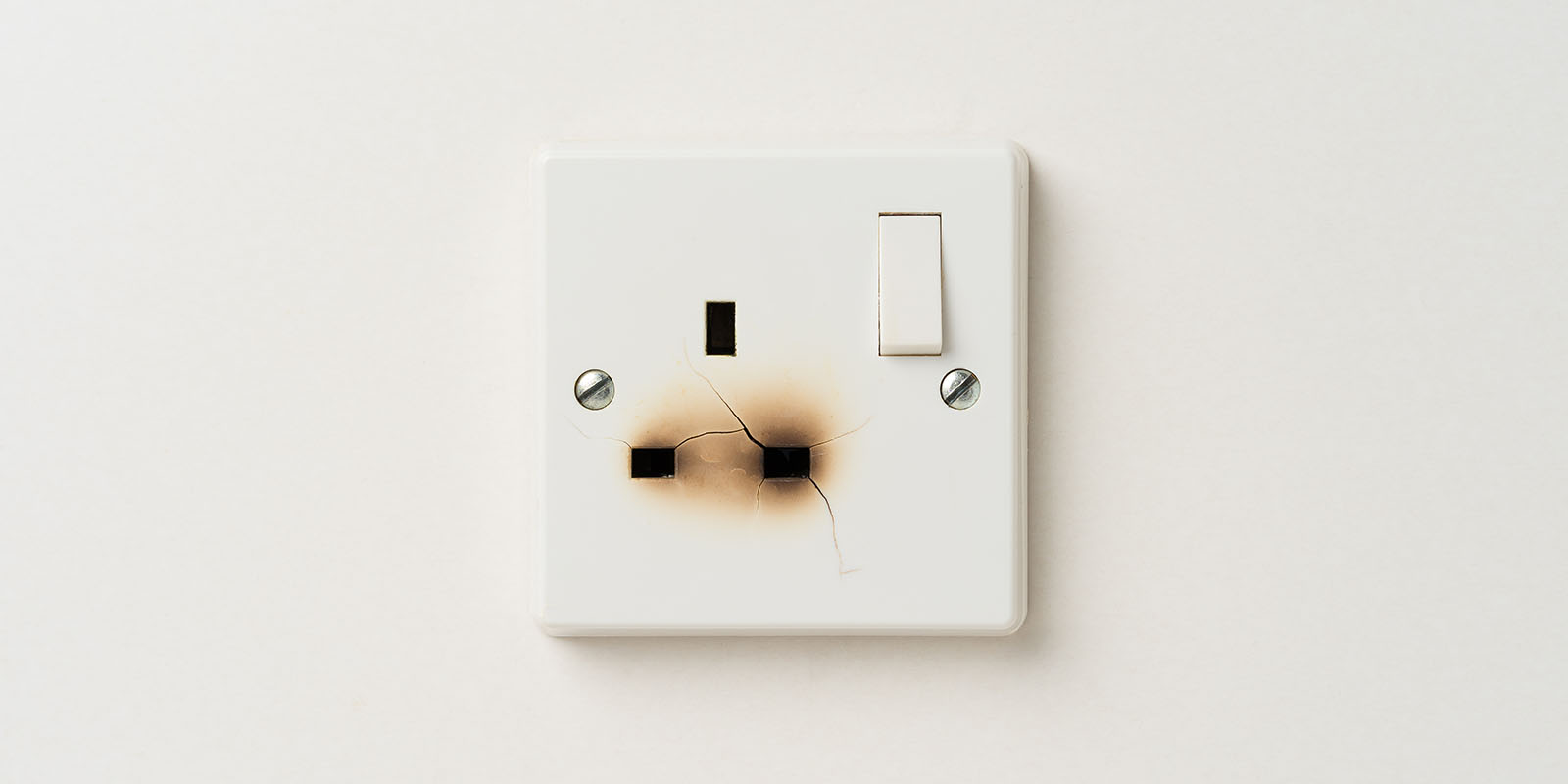
Any signs of electrical fault, such as flickering lights, burning smells from sockets, or sparking plug points, should be reported immediately. Electrical safety is not an issue that can be delayed or ignored as these faults do not simply resolve themselves. They worsen over time, increasing the likelihood of accidents, injuries and property damage.
Dangers of Electric Shock and Fire
Faulty electrics in a home are far more dangerous than many realise. An electric shock isn’t just a sudden jolt – it can be catastrophic, with consequences ranging from severe burns to internal organ damage, cardiac arrest, and even death. The danger escalates when high voltage is involved, but even a seemingly minor shock can prove fatal in certain circumstances. The severity of the injury depends on how the current travels through the body and how quickly emergency treatment is received, yet no one is truly safe. Victims may experience difficulty breathing, heart rhythm disruptions, seizures, muscle paralysis, or loss of consciousness, leaving them helpless in a critical moment.
Faulty electrics are not just an inconvenience – they are serious and life-threatening. If your landlord is ignoring the risks, they are putting your life on the line.
Demand Repairs and Claim Compensation
You shouldn’t have to wait for an accident to happen before action is taken. Section 11 of the Landlord and Tenant Act 1985 legally obliges landlords, including councils and housing associations, to ensure that electrical installations in a property are kept in proper working order. A failure to address these issues could mean the landlord is in breach of their legal duty, allowing tenants to escalate the matter through formal complaints and legal action. A housing disrepair solicitor will make sure they take responsibility before it’s too late. They can push for urgent repairs, ensuring your home is made safe, and help you seek compensation for any suffering or hardship caused by this neglect. If your landlord won’t listen, it’s time to make them!
