
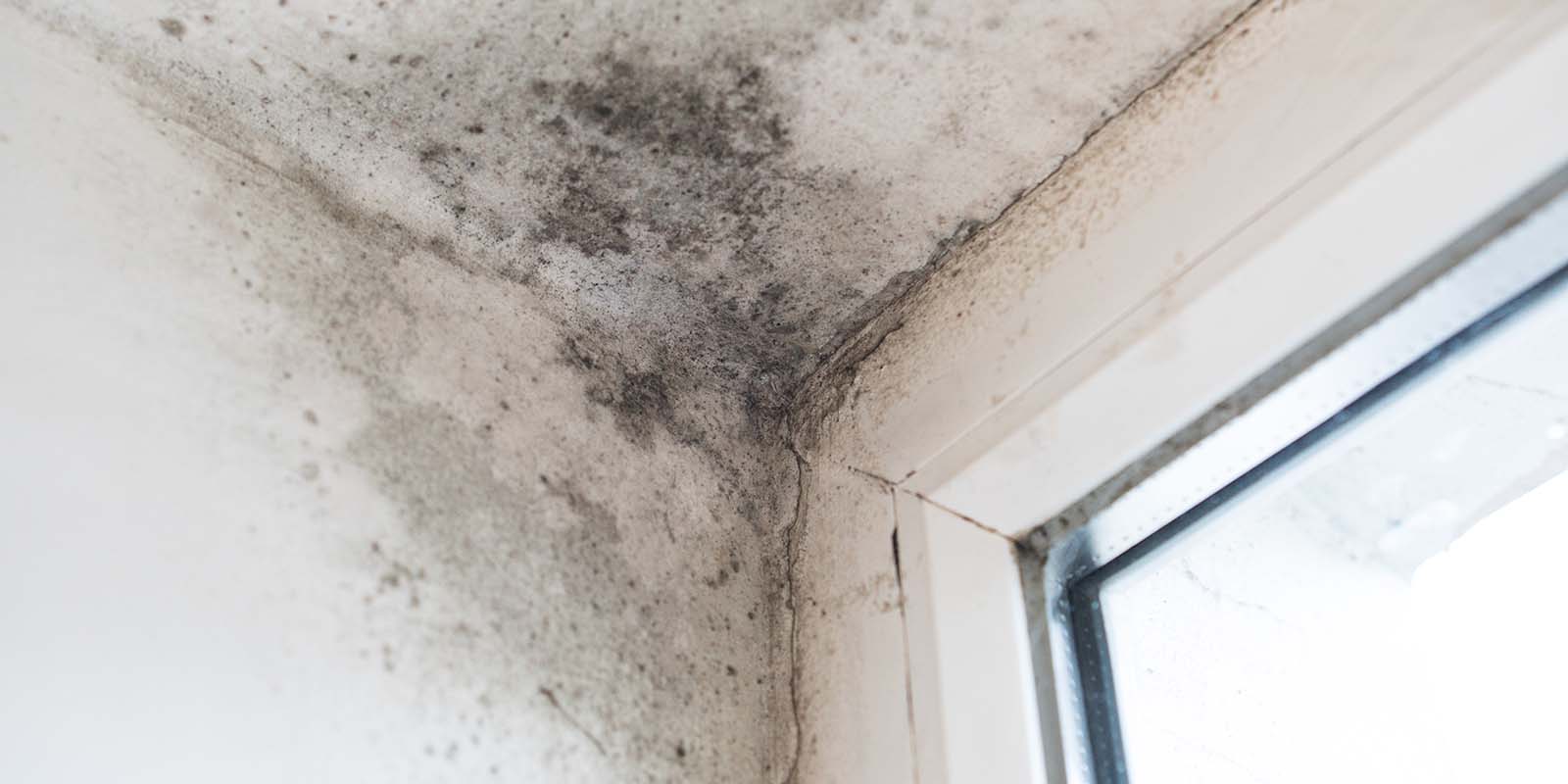
Mould in Council & Housing Association Homes
No Win No Fee Housing Disrepair Claims
CALL FREE: 0800 654 6975
Mould – Tenant Rights & Repairs
Mould is a type of fungus, often appearing as black, green, or white patches, which spread through the air, water, or surfaces. It is one of the most serious and widespread issues plaguing tenants in council and housing association properties today. While its presence is often attributed to inadequate ventilation and excess moisture, it is frequently symptomatic of deeper structural issues such as leaks, poor insulation and substandard heating systems.
Health Risks from Mould and the Impact on Daily Life
In many cases, tenants find themselves battling persistent mould growth despite following advice on ventilation and moisture control, highlighting the fact that responsibility for this issue often lies beyond the tenant’s control. Mould is not merely an inconvenience; its impact on health and wellbeing can be deeply felt. Those with pre-existing respiratory conditions, young children, and the elderly are especially vulnerable to the effects of prolonged exposure. Symptoms can range from mild allergic reactions to severe respiratory infections, and for those with asthma, it can significantly worsen their condition. Furthermore, the psychological strain of living in damp, unhealthy conditions should not be overlooked, as it contributes to anxiety, depression, and a reduced overall quality of life. The damage isn’t just limited to your health; personal belongings often suffer too, from ruined furniture to clothing rendered unusable.
Landlord Duties Under Awaab’s Law & the Homes Act
The responsibility for eradicating mould in council and social housing falls squarely on the shoulders of landlords, including local councils and housing associations. The law is clear: tenants have a right to live in homes that are safe and fit for habitation. The Homes (Fitness for Human Habitation) Act 2018 mandates that landlords must ensure properties remain free from hazards that pose a risk to health, which includes persistent mould and damp. The urgency of addressing mould in social housing was underscored by the tragic case of Awaab Ishak, a two-year-old child who died as a result of prolonged exposure to mould in his family’s home. His preventable death led to the introduction of Awaab’s Law, a crucial piece of legislation that mandates swift action by social landlords to investigate and remedy hazardous living conditions.
The first step upon discovering mould is to notify your landlord in writing, preferably by email or letter, so there is a formal record of your complaint. You should describe the extent of the mould and include photographs as evidence, making it clear that you expect a prompt response.
Escalating Complaints – Environmental Health & Legal Action
If your council or housing association fails to respond within a reasonable timeframe, typically 14 to 28 days, or refuses to take appropriate action, escalate the complaint. Local councils have environmental health officers who can inspect the property and assess the dangers. If they determine that the mould presents a serious risk, they can issue an improvement notice, legally compelling the landlord to take action. If this order is ignored, legal consequences may follow. Where necessary, an independent expert such as a surveyor can provide a report confirming that the mould is due to structural faults rather than tenant lifestyle. If your landlord still refuses to act, legal action may be necessary. You may be able to apply for a court order forcing your landlord to make essential repairs, and you could even claim compensation for any suffering, health issues, damage to personal belongings, or financial losses caused by their abhorrent neglect. In extreme situations, where a landlord continuously refuses to maintain safe living conditions, a tenant may be entitled to request a permanent rehousing application from the local authority. A specialist housing disrepair solicitor can guide you through the process of enforcing your rights, securing the necessary repairs and seeking rightful compensation for the distress and inconvenience you have endured.
With Awaab’s Law now in place, there is no longer an excuse for inaction. Authorities must enforce these regulations rigorously, ensuring that no tenant is left to suffer in conditions that should have been remedied long ago.
